introduction
For operators new to briquetting machines, determining whether the equipment is operating normally is a common question. Mastering the basic judgment
methods is actually not difficult. However, before delving into the specifics, it's necessary to briefly understand the fundamental forming principles of the briquetting machine.
key points
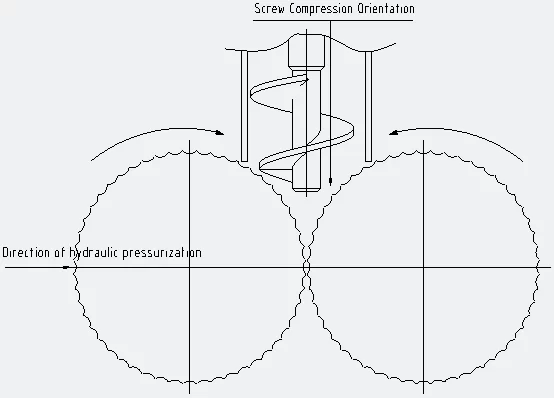
As shown in the figure below, the forming process of the briquetting machine relies on the combined action of pressure provided by the hydraulic cylinder and top-down
compression from the screw conveyor. Under high pressure, the material is forced into the molding pockets of the roller sleeves, where it ultimately takes shape.
A crucial point must be emphasized here: material feed rates in actual production are often unstable. This is precisely one of the primary purposes of the hydraulic
system in the briquetting machine to absorb and dampen the impact caused by fluctuations in material supply, thereby ensuring the continuity of industrial production.
result
Therefore, to ensure normal operation of the briquetting machine, both the hydraulic cylinder pressure and the downward compression force of the pre-press screw must be maintained
within the set pressure range. Only under sustained high-pressure compression can the material form stable briquettes. Observing the equipment externally, a key indicator of normal
operation is: the roller sleeves exhibit a slight reciprocating movement in response to material variations. This indicates the material is under compression and the equipment is
functioning correctly.
Finally, it must be stressed: while the hydraulic system can accommodate material fluctuations within a certain range, excessive feed variations can still cause jamming in the main
machine or the pre-press screw. To ensure long-term, continuous, and stable operation, a continuous feeding device is typically installed upstream of the briquetting machine.
This device aims to maximize feed stability and minimize fluctuations.